

Sectors
GT4 works across a range of sectors where ground behaviour and geotechnical performance are critical to safety, cost, schedule, and long-term asset integrity.
Our experience spans both mining and civils-focused environments as well as broader infrastructure and project contexts where geotechnical uncertainty plays a central role in decision-making. While the technical challenges vary by sector, a common theme is the need for clear, defensible engineering input to support complex decisions under uncertainty.
GT4’s approach is to adapt technical methods, level of analysis, and advisory input to suit the specific requirements, constraints, and risk profile of each sector and project environment, rather than applying a uniform methodology.
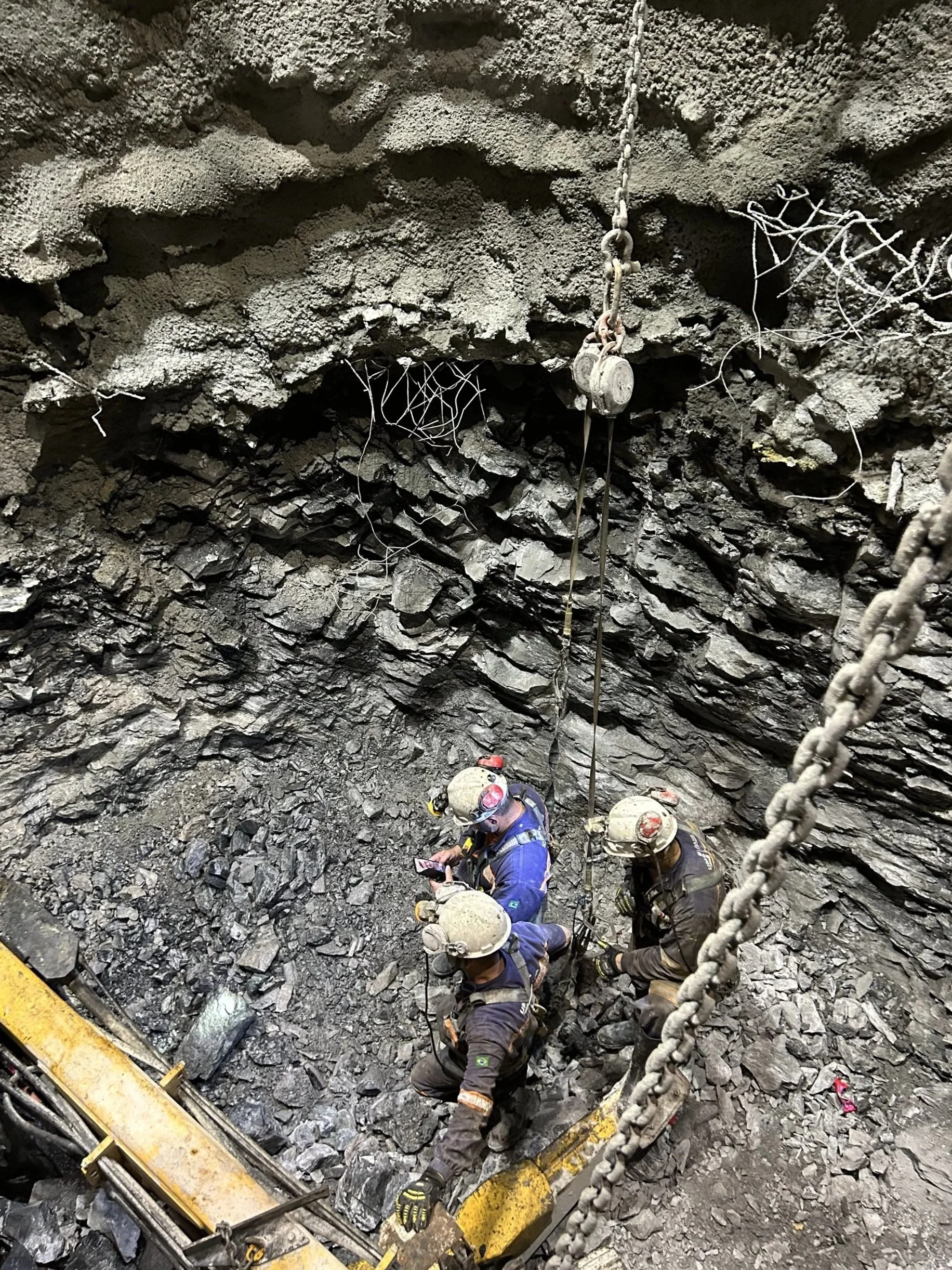
Mining Geotechnical
We support both surface and underground mining operations across a wide range of commodities, mining methods, and geological settings. Engagements span the full project lifecycle, from early-stage studies and concept development through to detailed design, operational support, and independent technical review.
GT4 is frequently engaged where ground conditions are complex, high-stress, or poorly constrained, and where geotechnical performance has a direct influence on safety, productivity, and asset value. Our input may relate to mine design, ground support strategy, numerical modelling, stress measurement, or broader geotechnical risk assessment.
Work within the mining sector often involves close collaboration with client technical teams, site personnel, and external advisors. GT4’s role may be advisory, independent, or embedded, depending on project needs and governance requirements.
Civil and Infrastructure
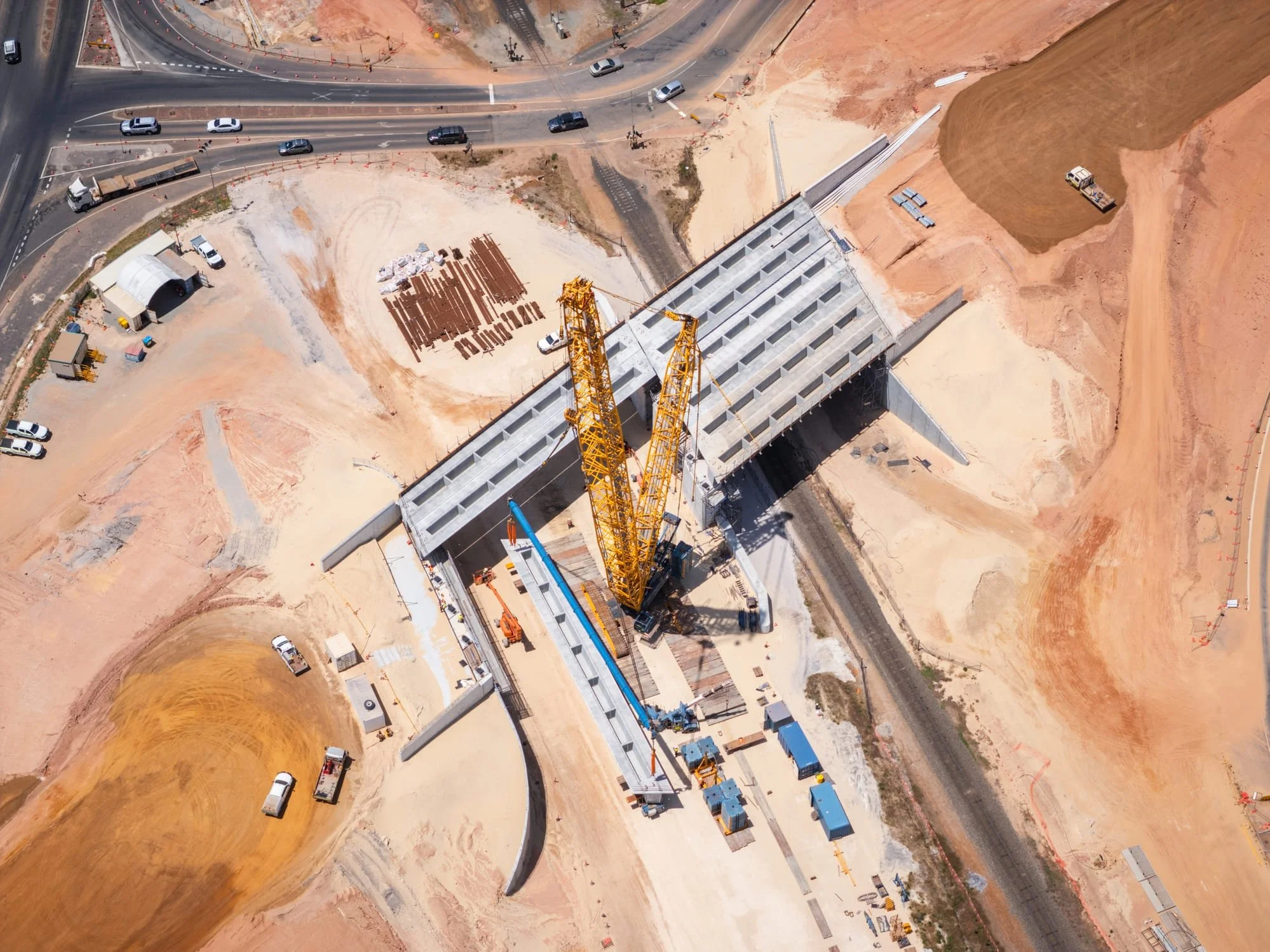
Civil and infrastructure projects present a distinct set of geotechnical challenges, often characterised by complex ground conditions, constrained construction environments, and high consequences associated with performance and safety.
GT4 supports civil and infrastructure projects where an understanding of ground behaviour is critical to design, construction, and long-term asset performance. This may include work associated with underground excavations, slopes, foundations, and other geotechnically sensitive structures, particularly where geological complexity, in situ stress conditions, or interaction with existing infrastructure requires careful assessment.
Engagements in this sector often involve supporting design teams, contractors, or asset owners with independent technical input, risk assessment, and review. GT4’s role is to help clarify uncertainty, assess geotechnical assumptions, and provide defensible engineering advice that supports sound decision-making throughout the project lifecycle.
Experience across both mining and civil contexts allows GT4 to apply robust analytical approaches and risk frameworks while remaining sensitive to the specific regulatory, commercial, and delivery constraints typical of infrastructure projects.
Organisational Consulting
GT4 supports senior leaders, boards, and programme sponsors operating in complex, technically intensive, or high-stakes environments, where organisational performance is as critical to outcomes as technical delivery. Our approach is grounded in systems psychodynamics: a discipline concerned with the dynamics beneath organisational performance, including how groups, leadership, and culture function under pressure.
GT4 is engaged where strategy is clear but execution stalls, where change programmes meet sustained resistance, or where leadership teams are operating under pressure. We apply these systems psychodynamic frameworks to examine the organisational dynamics that shape performance, treating them as practical tools rather than theory.
Work in this area often involves close engagement with leadership teams and boards, particularly in infrastructure, mining, energy, and capital programmes where technical complexity and organisational complexity intersect. GT4's role may be advisory, diagnostic, or embedded, depending on the challenge and its context.

Project Contexts
Every project operates within a different technical, operational, and decision-making context. GT4 adapts its level of analysis, technical input, and advisory role to suit the specific circumstances, constraints, and risks faced by each client.
Whether you are shaping an early-stage concept, managing geotechnical risk at an operating site, or seeking independent technical assurance, GT4’s involvement is scaled to provide appropriate support at the right time.
-
At early project stages, decisions are often made with limited data and a high degree of uncertainty.
GT4 supports clients by helping to frame key geotechnical questions, assess uncertainty, and identify risks that may influence design options, cost, and long-term viability. The emphasis is on proportionate analysis and clear guidance that supports strategic decision-making without unnecessary complexity.
-
For operating mines and active projects, technical decisions must be made within real operational, safety, and commercial constraints.
GT4 provides targeted technical input and independent review to help address emerging issues, validate assumptions, or assess changes to design or operating conditions, with recommendations developed to be practical and implementable in a live environment.
-
Where geotechnical risk is elevated, or unexpected ground behaviour has occurred, clarity and objectivity are critical.
GT4 supports clients by helping to understand contributing factors, assess current and future risk, and provide independent technical advice to inform remediation, design changes, or operational controls in high-consequence situations.
-
Where projects require independent technical assurance or governance support, GT4 provides objective assessment grounded in experience and professional judgement.
This may include benchmarking of geotechnical practices, review of design or operational controls, and independent reporting to support internal governance processes, external review, or regulatory requirements.
-
Some challenges are organisational rather than purely technical. Where strategy is stalling, change is meeting resistance, or leadership effectiveness is affecting delivery, clarity about the underlying dynamics is as important as any technical input.
GT4 supports leaders, teams, and boards in understanding what is happening beneath the surface of organisational performance, and in designing responses that work with that reality. This support is particularly relevant in complex or high-stakes environments where the cost of organisational dysfunction is significant.
Across all engagements, GT4's approach is guided by the principle that input should be proportionate, defensible, and relevant to the decisions being made.
The level of analysis and reporting is adapted to suit your context, ensuring effort is focused where it adds the most value. While GT4 works across multiple sectors and disciplines, our work is unified by a consistent approach grounded in clarity, proportionality, and professional judgement.
This includes:
A Tailored, Cross-Sector Approach
Careful consideration of available data and uncertainty
Integration of engineering judgement with technical analysis
Appropriate use of analytical and numerical tools
Clear communication of findings, limitations, and implications
Get in touch
By working across different sectors and project environments, GT4 is able to bring a broad perspective to each engagement, supporting robust and defensible decisions tailored to the specific context.
GT4 recognises that many projects involve commercially sensitive information, proprietary data, or regulatory constraints. As a result, sector experience is often described in general terms rather than through named projects or detailed examples. More detailed discussions of relevant experience can be explored directly as part of project conversations.